you can login to your account or register with kal

KAL is an ELECTRONIC NON-GOVERNMENTAL ORGANIZATION (e-NGO) and has been initiated on independent volunteering bases as a global open network since 1993. Members with skills in linguistic, and information technology are sharing their thoughts around Kurdish linguistic issues. They seek information, solutions and focus on a future for better understanding of the Kurdish language. KAL is a community of people who has responded to this crucial question of our society.

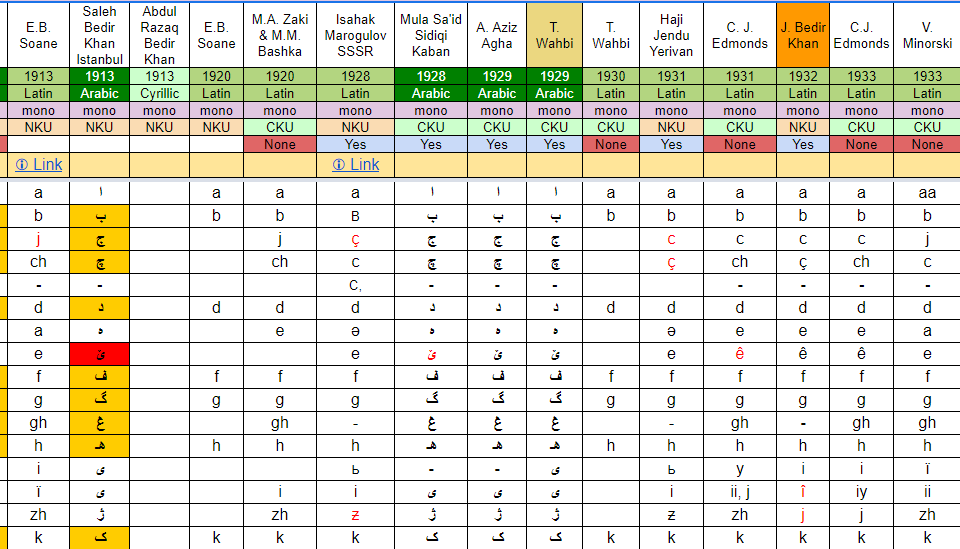
"Herwekí me cend jaran gotiye yekitiya mileté kurd bi yekítiya zimané kurdí téte pé. Di yekítiya zimané de gava péshín jhí yekítiya herfan e. Yaní jhi bona nivísandina zimané miletekí divét zana ú xwendewarén wí miletí bi tevayí jhi bona zimané xwe elfabeyeké bibijhérin ú heke di wí zimaní de cand zar hene, zar hemí bi wé elfabé béne nivísandin."

"As I have noted before, the Kurdish nation will converge via a unified Kurdish language. The prerequisite of a unified Kurdish language is a unified Kurdish alphabet. This means that the Kurdish scholars and the literati need to develop a writing system that allows all speakers hailing from every Kurdish dialect to use that writing system."

Jeladet Alí Bedir Xan, Hawar, hejh 9, 1932

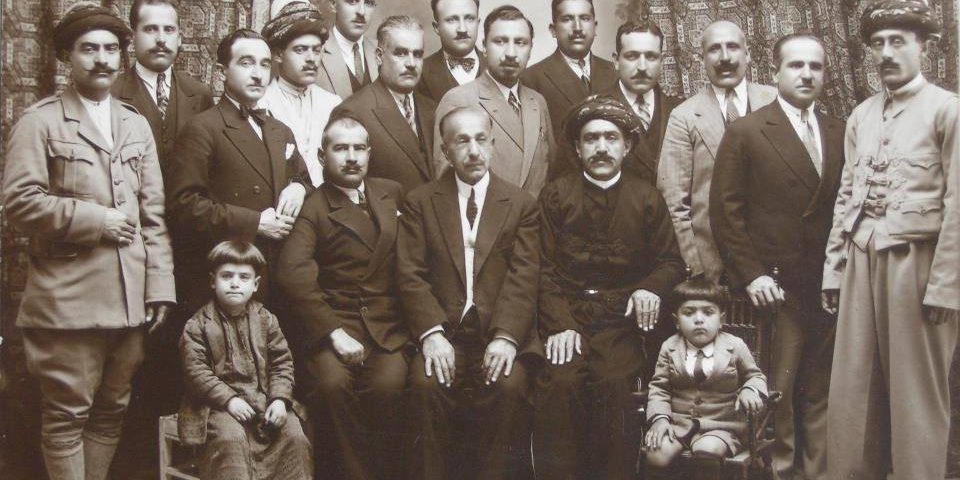
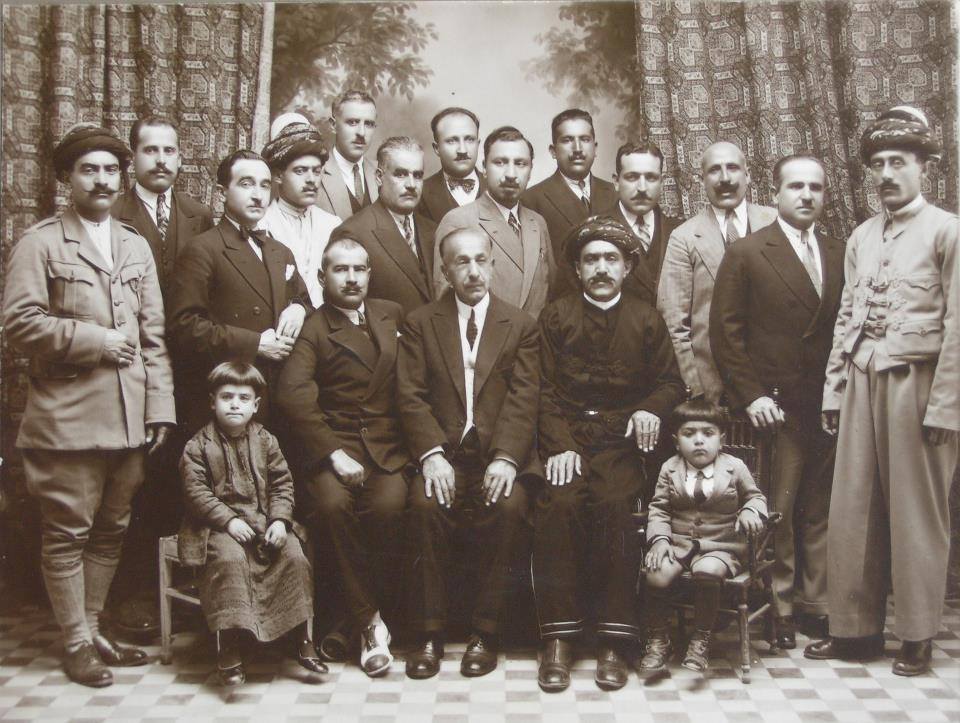
Mír Jeladet Alí Bedir Xan  Northern Kurdish text book  Central  Kurdish text book Southern Kurdish text book Tewfíq Wehbí Beg

A Unified Alphabet the ultimate solution to Kurdish language issue
Alfabéyekí Yekgirtú careserí yekjarí bo késhey zimaní Kurdí
ئه‌لفوبێیه‌كی یه‌كگرتو چاره‌سه‌ری یه‌كجاری بۆ كێشه‌ی زمانی كوردی

How can I get involve with projects such as KAL and KURDISTANICA so that I might be able to contribute to this good cause?

One thing that Individuals/organisations can do to support projects like KAL and KURDISTANICA is to ask their friends, colleagues or fellow organizational members to get involve in turning hard copy material into electronic (scanning, typing etc.). If you are conversant in other relevant languages, you can help translate texts from English into Persian, Turkish, Arabic (and vice versa), as well as proof-reading English translations.

Turkey and the Kurds: Television diplomacy

RojinHopes that a new channel may herald fresh reforms

ROJIN is a feisty, beautiful Kurdish bard who belts out nationalist ballads. As a result, private Kurdish television channels that showed her were long penalised or even taken off the air. But now she will be a regular on Turkey’s stultified TRT state television, which this week launched a 24-hour Kurdish channel in the main Kurdish dialect, Kurmanji.

Turkey plans to start Kurdish language education in universities

Department of Kurdish language and letters would be established in two leading universities in Turkey, the chairman of the Higher Board of Education (YOK) said on Thursday.

The board considers the of opening Kurdish language departments in two leading universities in Ankara and Istanbul, Yusuf Ziya Ozcan said at the opening ceremony of TRT-6, Turkey's first Kurdish broadcaster.

Turkey's state-run radio and television network TRT's new TV channel, TRT 6, started broadcasting officially on Thursday. The first program was broadcasted from Ankara's "Ari Studio".

Komellnasí ziman – Ziman u Komell

Profésor: Peter Trudgill
Wergéran le Inglísiyewe: Hesené Qazí

Hemú kes dezané ci dekré rú bida katék dú kesí Inglísí ke qet péshtir yektiryan nedítuwe le tirénék da rúberúy yekdí dadeníshin – ewan be basí keshuhewa dest be qise kirdin legell yektirí deken – le héndék nimúnanda, ewe renge leber ewe bé babeteke bo herdúkyan xoshe. Egercí, zorbey xelik zor be taybetí mirxyan lewe niye dest be lékdanewey barudoxí hewa biken, ja boye debé hoy díke bo legell yek duwaní lew ceshne hebé.

The Noun Phrase in Hawrami

In this paper we describe the structure and functional categories of the noun phrase in Hawrami, a Kurdish / Northwestern Iranian language spoken in a region between Iran and Iraq, paying special attention to NP-internal agreement or concord. The major description of Hawrami, MacKenzie 1966, concentrates on morphology and describes a version of the language as spoken by previous generations in Nausud (Luhon), whereas the version of the language which we are describing is spoken in Pâwa, 10 miles to the south-east. While the dialect we describe is obviously the same language as that described by MacKenzie, there are important differences especially in the form of agreement affixes.

Kurdish TV opens but picture still fuzzy

ANKARA - As Turkey’s first full-time Kurdish TV Channel, TRT-6, is about to be launched, bans remain on the use of letters in the Kurdish alphabet such as w, q, and x, which are absent in the Turkish language.

The head of the Kurdish Writers’ Association, İrfan Babaoğlu, dismissed the channel initiative as tragicomic and said the dilemma Turkey faces now is the use of the Kurdish language, speaking to the Hürriyet Daily News & Economic Review yesterday.

Turkey gears up for Kurdish-language TV

 AFP - Turkish authorities hope the new station will help erode the ROJ TV.

Turkey's public broadcaster will on January 1 inaugurate a television channel in Kurdish, a language banned in the country until the early 1990s, marking a fresh milestone in Ankara's fence-mending efforts towards the restive Kurdish community. 

The new station, which will be Channel Six of the state-run Turkish Radio and Television (TRT), will broadcast round the clock in Kurdish "without imposing the state ideology while offering comprehensive informational programmes," according to TRT director Ibrahim Sahin. 

State television begins Kurdish test broadcasts

Hurriyet: ISTANBUL - The head of the Diyarbakır Chamber of Trade and Industry, Mehmet Kaya, agrees that TRT’s new channel is important, as such mediums can allow the language and culture of a people to develop. He says the TRT’s belated efforts on Kurdish TV are welcome, but argues that it need to be supported by scientific measures to promote Kurdish

Test broadcasts from the Kurdish television channel of Turkish Radio and Television Corporation, or TRT, have received mixed responses in the region, with some cautiously welcoming it while others seeing it as a voice of the state.

Turkish courses underway at Salahaddin University

Turkish language department at Salahaddin University in Arbil, which was established by the Kurdish administration in northern Iraq in an apparent goodwill gesture toward Turkey, has recently launched its courses.

Currently 62 students from various ethnic backgrounds -- Arab, Kurdish and Turkmen -- are attending courses at the Turkish language department, which is headed by Assistant Professor Ramazan Çakır of Turkey. Four out of a total staff of six are Turks, with two non-Turkish academics currently being trained in Turkey.

The obstacles to use Kurdish language in the public sphere

Editorial: The European society has widely ignored the suffering of Kurdish people in Turkey in the 20th century. Whereas civil rights and peace developed after World War II in Western Europe, millions of women and men were deprived of their basic human rights in the Eastern part of our neighbour country. Only at the edge of 21st century with a reformist and islamic government in Ankara and the dynamics of the EU accession process attention is given to this region, which is now open for the world and not closed under military law.

Syndicate content